
Righteous Cotton Tee Fabric Guide Design and Details
Denim Tears Hoodie: A Straight Guide to Cut, Cloth and Wear
You have most likely landed here because you have spotted the asking price and want to know whether the hoodie earns it. That is a fair question, and this article addresses it in plain terms rather than marketing language. A denim tears hoodie in 2026 occupies an estimated $250 to $400 bracket at retail, with archive and collaboration pieces going for more on the secondary market. In return you get a heavyweight fleece body, a cotton wreath printed or embroidered onto it, and a shape that reads unlike the hoodies most wardrobes already hold. Coming up is the build, laid-flat figures, three ways to wear it that work in practice, and a care routine that keeps the print intact. The prices used throughout are market estimates and ranges, not fixed figures, because Denim Tears works in drops and availability moves the number as much as the garment itself does.
What Sits Behind the Price
Take the graphic off and you have a well-made piece of heavyweight fleece, much like what a decent mid-tier brand makes for around a third of the price. What separates them is the print and the weight it carries. Tremaine Emory started the label in 2019 around exactly this: the cotton wreath refers to the history of cotton, the transatlantic slave trade and African-American experience. That is not something you can detach from the product, and buyers who treat it as decoration are missing the point of the purchase. The remainder is pure scarcity, because runs are small and re-ups are unpredictable. So put honestly, it works out like this: you are spending about a hundred dollars for denim tears sweatpants the hoodie itself and the remainder for a graphic with a clear, intentional meaning behind it. That call is yours alone whether the exchange is worth making, though it should be an informed choice.
The Fleece, Measured
Denim Tears fleece typically sits in the 13 to 14 oz band, or roughly 440 to 475 gsm. For context, a standard high-street hoodie usually sits between 8 and 10 oz, or roughly 280 to 340 gsm. That difference in weight is apparent straight away when you handle one, and it changes how the garment sits across the shoulders. The face is usually a smooth loopback or brushed-back cotton, with the inside napped for warmth. Heavier fleece holds up at the cuffs and hem for considerably longer, which is the main practical argument for it. Allow for around three to five per cent in length on the first wash if you wash warm, which is significant on a garment cut short in the body to begin with. A cold wash holds that nearer one per cent.
How It Fits
The cut runs boxy, with a dropped shoulder, and it comes up large relative to most American sizing. Dropping to a medium often gives the designed shape to anyone who usually takes a large. That cropped, squared-off look in most photos of the brand comes from body length that is short against the width. Putting it over a denim tear shirt or a long-sleeve base layer means sizing up one. If it is going over just a tee, take your true size or go down. Rough laid-flat numbers in inches for a typical heavyweight release are set out below, with individual drops varying by an inch or so in either direction.
| Size | Laid-flat chest | Body length | Sleeve | Best suited to |
|---|---|---|---|---|
| Small | 22 in | 26 in | 23 in | A fitted silhouette on a 36-38 in chest |
| Medium | 24 in | 27 in | 24 in | The intended boxy fit on a 38-40 in chest |
| Large | 25.5 in | 28 in | 25 in | Space for layers with a looser drape |
| X-Large | 27 in | 29 in | 25.5 in | A deliberately oversized silhouette |
Styling: Three Directions That Work
A heavy hoodie with a big graphic carries most of the message in an outfit, so the remainder of the outfit has to keep still. A single loud piece, and the rest holds back is the rule of thumb. Volume needs balance too: a boxy top calls for either a straight cut or a properly wide one, not a slim cut that makes the whole thing look unplanned. Colour is simpler than people expect, because the wreath print is typically white and green on a solid ground, which sits cleanly against indigo, black, ecru and grey. Footwear should stay simple, since the eye is already occupied. The two sections that follow set out the directions that hold up best, and the third option is the most straightforward: the hoodie with mid-grey sweatpants and white sneakers, which works precisely because nothing competes.
With Denim Tears Jeans
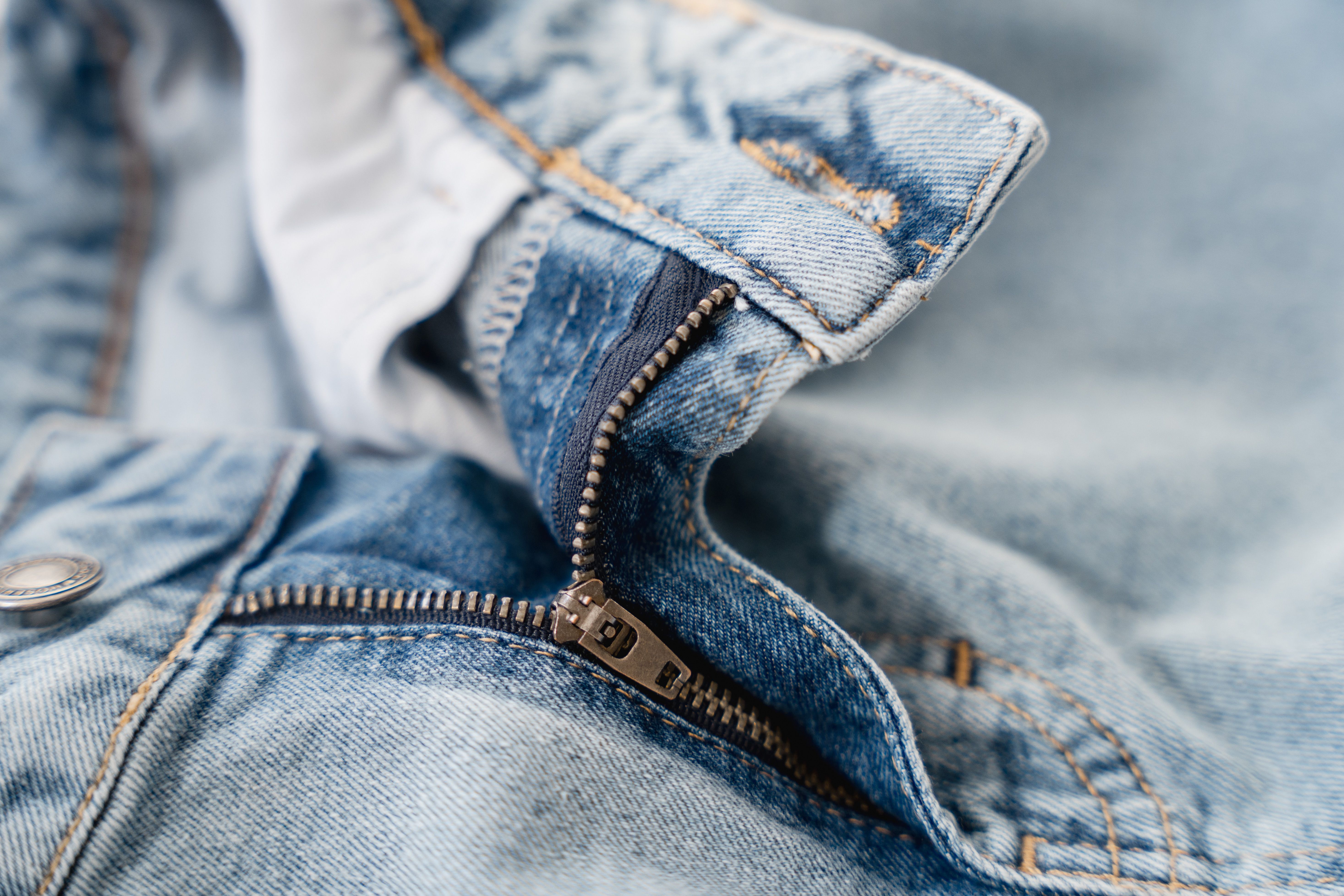
Wearing the hoodie with denim tears jeans is the most obvious pairing and also the one most often got wrong. Run two wreath prints at once and you have a uniform, not a look; pick one piece to carry the graphic and leave the other blank. The lower-risk version is a wreath-printed hoodie over unprinted straight-leg indigo. Where the jeans hold the graphic, run a solid heavyweight hoodie on top in ecru, black or washed navy. Boxy on top plus a stacked hem wreck the leg line, so keep it cropped at the hem. A single turn-up of an inch and a half is normally all you need.
Beyond Denim: Trousers and Shorts
Move off denim and the hoodie sits well over pleated cotton trousers in stone, olive or charcoal. That distance between heavy fleece and tailoring is what makes the combination read as intentional rather than lazy. That same thinking works for denim tears shorts once it warms up: hoodie worn open over a plain tee, shorts landing just above the knee. Keep the sock length deliberate here, since a mid-calf sock shifts the proportion more than most people expect. Reach instead for denim tear pants in a relaxed straight cut, which works just as well and keeps the outfit inside the brand. Contrast in weight, calm in colour is the point every time.
Care That Stops the Print Cracking
Screen-printed graphics die from heat and friction, not with age. The tumble dryer is responsible for almost every ruined denim hoodie. The regime that follows is unexciting, but it works and costs nothing. How often you wash matters more than how: fleece rarely needs cleaning after every wear, and an overnight airing handles most of what a wash would. A well-treated piece will hold its print through five to ten years of regular wear. Expect a mistreated one to crack noticeably within a single winter.
- Turn it inside out before every wash, without exception.
- Run a gentle cycle and hold the temperature to 30 degrees Celsius or below.
- Leave out the fabric softener, which sits on the fibres and flattens the print surface.
- Lay it flat to dry instead of hanging it, so the shoulders do not stretch under the weight of wet fleece.
- If ironing is unavoidable, go from the back with a cloth in between and never directly over the wreath.
Before You Hand Over the Money
Work through the list below in order, and whatever you do, do not skip the measuring. Fit, not quality, drives most disappointment with this brand, and it is the one variable you can control completely before spending anything. Spend five minutes with a tape measure on a hoodie you already like. Trust the table above, rather than the letter on the label. When they conflict, believe the tape. By design, the checklist below is kept tight.
- Take measurements from a hoodie you already own flat across the chest and down the centre back.
- Ignore your usual letter size and match the figures to the size column above.
- Make sure the fabric weight is given in oz or gsm before handing over heavyweight money.
- Magnify the wreath print, where fakes give themselves away in the bolls.
- Take anything under roughly $150 for a current release as a reason to look more closely, not to rush the purchase.
Related posts