
Sådan Spotter du Ghosting og Kollusion i Online Poker
Distinguished Alliances and Exclusive Capsule Drops: Ferragamo’s Partnerships
Salvatore Ferragamo has built its name on craftsmanship rooted in Florence, but the house has never treated collaboration as a departure from tradition. Instead, partnerships have become a way to test new silhouettes, materials, and cultural references while keeping the codes that make a Ferragamo bag recognizable at a glance. From the Gancini clasp to the leather-wrapped heel, these signatures reappear in collaborative work, reinterpreted rather than replaced. For anyone browsing a Ferragamo shop today, understanding these joint projects helps explain why certain pieces command higher resale value and why some limited editions sell out within days of release.
The most notable partnerships in the house’s recent history are explored here, as well as their significance for collectors and how they fit into a broader Ferragamo bags overview aimed at shoppers trying to decide where to invest in 2026.
The Reason Ferragamo Teams Up
Every major fashion house sooner or later must reckon with the same question: how do you stay relevant while not watering down a hundred years of brand heritage? Instead of pursuing broad licensing schemes, Ferragamo has favored a more curated approach to collaboration. That 1927 origin remains a source of credibility for the brand — a collaborator gains instant credibility, while Ferragamo taps into new audiences, especially younger shoppers who might otherwise pass over a legacy brand in preference to streetwear-adjacent names.
These projects are generally capped in quantity, commonly reaching a modest few-thousand-unit count across global markets, which holds secondary market prices on the higher side. A Ferragamo collaboration handbag seldom returns to shelves once sold out, unlike standard catalog pieces that remain in rotation for a number of collections. The shortage is no accident. Because of this, a handbag purchase becomes almost an occasion in itself, prompting faithful Ferragamo shop customers to return often for new arrivals rather than confining their shopping to sale periods alone.
A research-oriented design perspective also exists. Collaborators bring expertise Ferragamo’s own team isn’t always stocked with — technical textile knowledge, a different color language, or manufacturing techniques drawn from related sectors. The outcome tends to be a cross-bred design: a Ferragamo bag with an unexpected fabric, or a shoe ferragamo bags women form lifted from athletic footwear yet constructed through the house’s time-honored Florentine leatherworking methods.
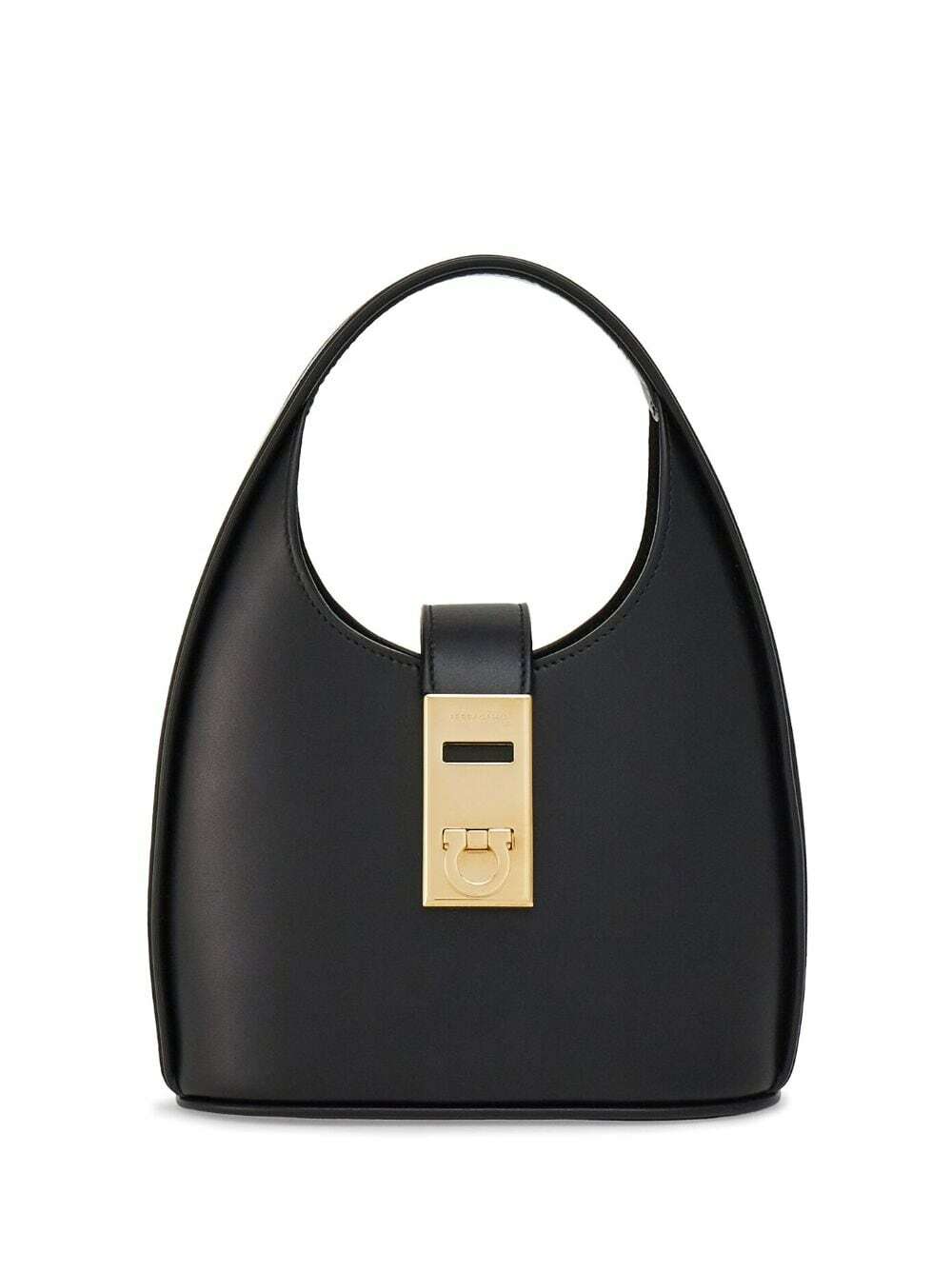
Noteworthy Cross-Industry Alliances
Ferragamo’s collaborations have spanned automotive design houses, contemporary artists, and other fashion labels. A consistent thread involves reworking pieces from the archive — designers are given access to the brand’s historical archive, which holds tens of thousands of shoe lasts and sketches dating back to the founder’s early work in Hollywood during the 1920s and 1930s. Rather than being purely trend-driven, the collaboration anchors itself in reimagining these archives into modern bags.
Music and entertainment tie-ins have also played a role, with limited capsule ranges timed to big cultural moments or film debuts. These tend to focus on accessories rather than full ready-to-wear lines, since a limited-edition Ferragamo bag is easier to produce in small batches and easier for the customer to justify as a single splurge purchase compared to an entire wardrobe update.
Creative-partner projects, on the other hand, have brought painted-on or printed patterns onto familiar handbag forms. Rather than altering the structure of a best-selling silhouette, these projects usually change the surface: a new print, an embroidered panel, or a color-blocked strap. In this way, the proven bestseller’s core identity stays intact, even as something visually new is offered to collectors who already possess the standard piece.
The Way That Joint Projects Reshape Ferragamo’s Bags Landscape
For those attempting to understand the present range, collaborations complicate what used to be a relatively uncomplicated catalog. A few years ago, a Ferragamo bags overview might have covered four or five core families — the totes with the Gancini clasp, structured top-handles, soft hobo styles, and evening clutches. These partnerships now overlap with all such categories, with the result that a single silhouette can turn up as a permanent staple, a seasonal colorway, and a limited joint edition at once.
For shoppers evaluating salvatore ferragamo bags before buying, this layering matters. A signature staple bought directly from a Ferragamo shop will typically keep its price steady over time but may not always appreciate. An item born from a partnership, most notably one connected to a notable partner brand, can perform differently on the resale market, sometimes trading above its original retail price within the first year if the run stayed sufficiently scarce.
It also alters how new customers come to the brand. A limited-edition piece might now surface before the standard catalog version for a shopper looking for their first salvatore bag, simply because collaborations stir up more press coverage and social media attention. Buyers ought to know which pieces are lasting staples versus limited drops before finalizing a purchase — that’s not necessarily a problem, but it still means distinction matters.
Weighing Up Collaboration Categories
Not every Ferragamo partnership runs on the same model. Some emphasize rarity and scarce runs, whereas others aim for more expansive availability while still retaining a limited-run label. Useful to anyone considering a purchase against its future value, the table below breaks down the broad groupings seen across the brand’s collaborative history.
| Kind of Collaborative Release | Standard Production Volume | Price Behavior Over Time | Recommended For |
|---|---|---|---|
| Reissued archive designs | Modest in scale, usually under 2,000 units | Holds or appreciates modestly | Enthusiasts who value legacy craftsmanship |
| Artist capsule prints | A mid-sized batch tied to a season | Consistent pricing, with sporadic secondary-market markups | Shoppers after a unique style |
| Pop-culture collaborations | Scarce, timed to specific launch windows | Secondary values swing dramatically | Fans of a specific film or moment |
| Cross-brand fashion partnerships | Small to moderate | Interest that holds up most strongly in the long run | Buyers hunting for top ferragamo bags as an investment |
What’s outlined here isn’t a full picture, but it gives a working framework. Collaborations across brands typically generate the most long-lasting interest because they combine two established design languages rather than leaning on a single pop-culture spark that can lose steam.
Identifying the Best Ferragamo Bags Among Collaborations
When it comes to which pieces earn the title of the best ferragamo bags from collaborative releases, a few criteria repeatedly matter more than hype. First, look at material quality — regardless of whether it’s a tightly-produced run, Ferragamo rarely cuts corners with leather sourcing or hardware finishing, so a bag that seems flimsy or shows poor stitching is likely a rare misstep rather than the norm. Second, consider whether the design references the brand’s actual history or simply slaps a logo onto an existing shape; that first approach tends to age better, both aesthetically and financially.
Third, check production numbers if they’re published Additionally, weigh versatility — certain scarce editions lean so heavily on a particular collaborator’s look that they’re difficult to wear beyond that context, while other pieces fit more naturally into everyday wear.
Looking at top ferragamo bags within recent collaborative projects, the ones that get worn most often tend to be structured top-handle bags and mid-size totes rather than evening bags featuring heavy embellishment. Practicality still wins for most buyers, even when they’re investing extra for a limited release. Keep this in mind before pursuing the most eye-catching piece within a given capsule collection.
Responsible Approaches to Shopping Collaborations in 2026
The counterfeit market has grown alongside collaboration hype, and it’s worth being direct about this. Misspelled searches like „ferregamo” frequently direct buyers to third-party sites selling replicas, especially for limited editions that never had an official wide release — especially for pieces expected to hold resale value.
With partnership drops, paperwork matters more than it does with regular stock. Authentication cards, protective cloth bags, and original packaging tend to be more detailed for limited editions, and missing these components can significantly affect resale value later. When purchasing pre-owned, insist on close-up photos of hardware stamps and stitching before completing the transaction, since these details are typically the earliest features replicated poorly by counterfeiters.
Looking ahead, Ferragamo shows no signs of slowing its collaborative output. While the label keeps repositioning itself for a younger and more globally linked audience, anticipate more archive-driven reissues alongside the odd surprising partnerships beyond fashion. For those assembling a thoughtful collection rather than chasing every drop, patience remains the wisest strategy: give the excitement time to cool, weigh up production figures, and select items that fit both personal style and the practical realities of long-term ownership.
Related posts